
Hilling up fennel: how and when to hill up

Hilling up fennel promotes blanching and helps produce a white, compact, high-quality bulb.

Explore the content

What is hilling up fennel, and what is it for

The fennel bulb is naturally pale because it develops protected from light. If exposed to sunlight, however, it can turn green due to chlorophyll.

Hilling up consists of drawing soil around the base of the plant until the bulb is covered, promoting blanching and the white color required by the market.

If necessary, top-dressing fertilizer can also be applied during the same operation, optimizing field passes.

Why hill up fennel

Hilling up can offer several benefits during the crop cycle:

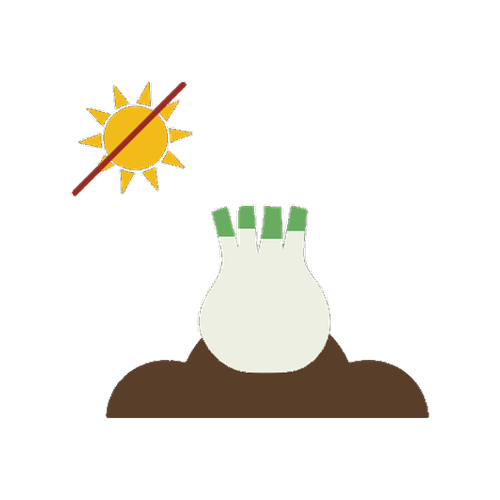
Fennel blanching

Blanching of the fennel bulb

covering it with soil limits exposure to light and helps maintain its characteristic white color
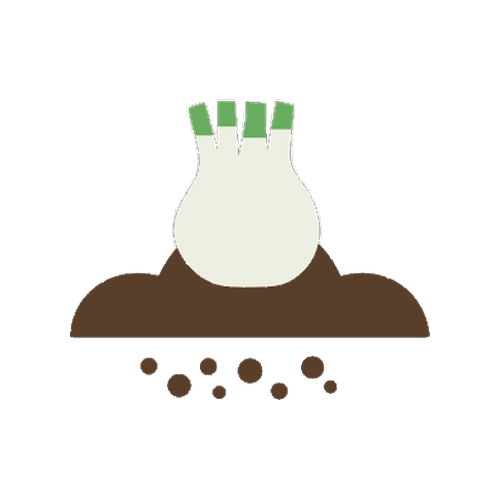
Fennel in loose soil

Looser soil

shallow cultivation facilitates bulb development in less compact soil

Protecting fennel from the cold

Protection from cold

In winter crops, the soil mounded around the base can help protect the plant from low temperatures
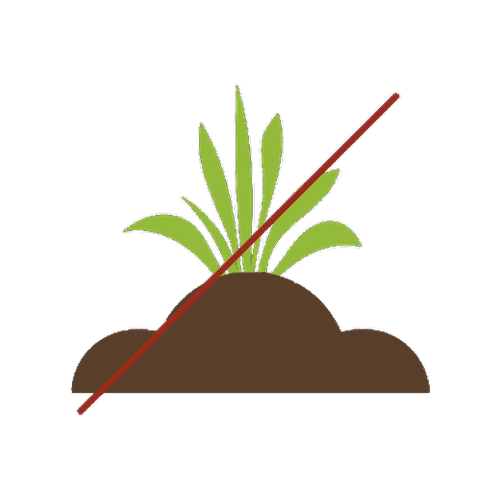
Weed control in fennel

Weed control

Passing between the rows helps control weeds and reduce competition for water and nutrients
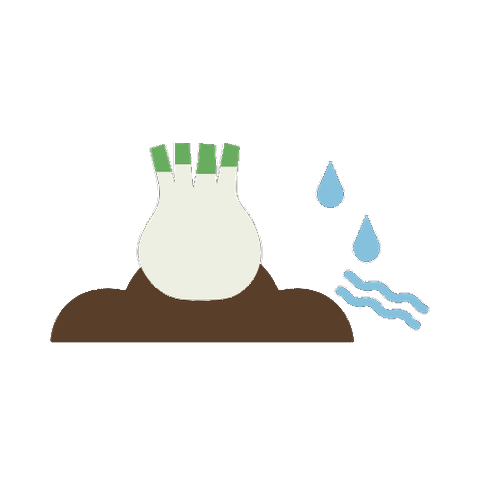
Water management in fennel

Surface water management

Under suitable conditions, soil shaping can promote water drainage and help prevent waterlogging

How to hill up fennel correctly

Passing between the rows

using a furrower or ridger

Arrow icon

Moving the soil

toward the base of the plants

Arrow icon

Covering the fennel bulb

without reaching the leaf stalks

The operation consists of drawing soil around the base of the plant until the bulb is covered. Proper hilling also depends on how the crop has been established: row spacing, plant density, and plant arrangement all influence fennel development and the management of mechanical field operations.
Would you like to learn more about how to set up the crop correctly from the early stages?
Also read our article on fennel planting techniques and plant density.
Warning icon

Pay attention to soil conditions

Hilling up should not be carried out when the soil is waterlogged.
It is best to wait until the soil returns to a workable moisture condition, meaning it has the right moisture level for cultivation.
Mounding excessively wet soil around the bulb can create favorable conditions for the development of rot and fungal or bacterial diseases.

When to hill up fennel

The timing and frequency of hilling depend on the variety, crop cycle, soil conditions, weather patterns, and farm management

In general, two main strategies can be adopted:
Cycle icon

Repeated hilling every 15–20 days

Hilling is carried out at regular intervals throughout the bulb’s growth period, supporting the plant at each stage.
Each successive hilling gradually covers the bulb as it develops.
This helps produce a uniformly white, compact bulb of optimal size.

check icon

Single hilling before harvest

A single hilling operation 15 days before harvest can still provide sufficient blanching of the bulb for marketability.
It is less effective than repeated hilling throughout the growth cycle, but significantly better than not hilling at all.

When to carry out the first hilling

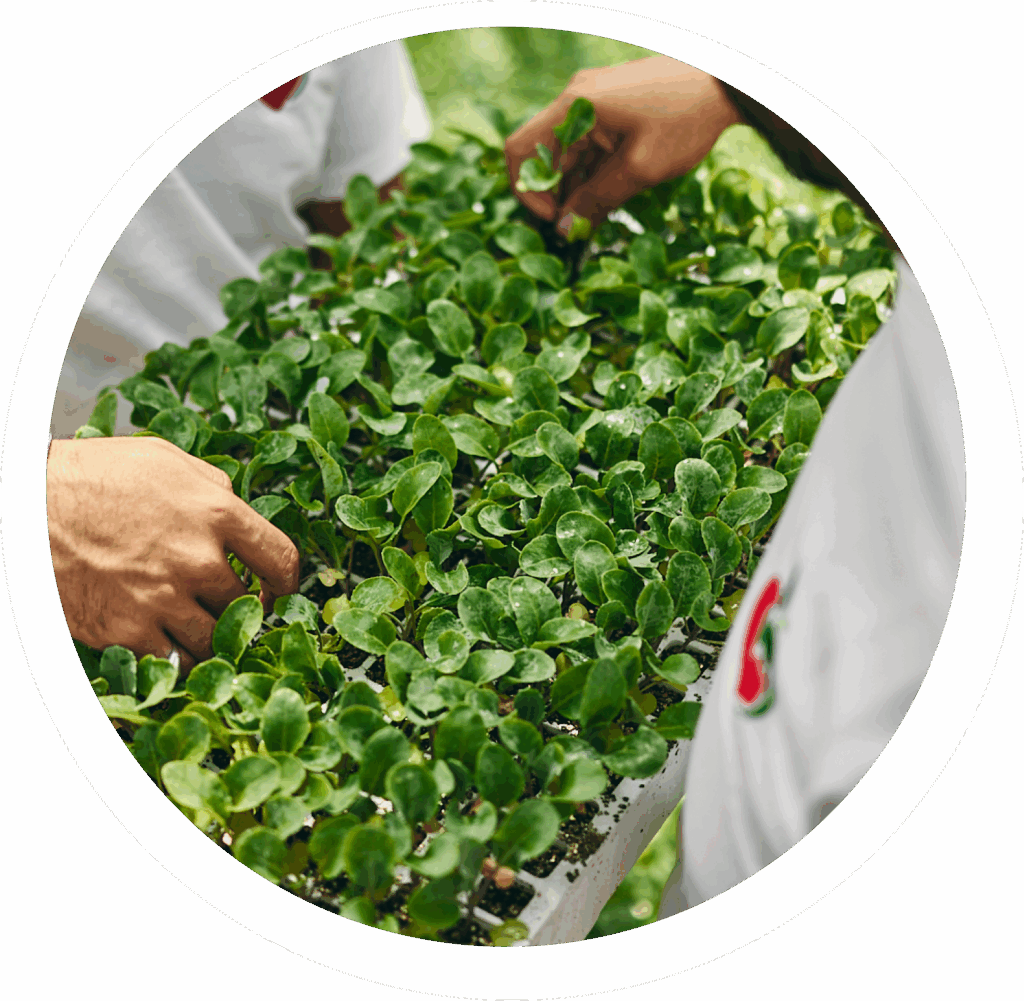
The first hilling can be carried out after the plants have established, once they have resumed steady growth and the bulb begins to develop. It is important to avoid hilling too early, as this could cause mechanical stress to young plants, but also too late, as this would leave the bulb exposed to light during growth.


The exact timing should therefore be adapted to the fennel variety and the crop cycle.

For more information, read the article on Fennel cultivation: varieties and crop cycle.

Mistakes to avoid when hilling fennel

To achieve effective results, it is important to avoid some common mistakes:

Soil that is too wet

Hilling when the soil is waterlogged can promote waterlogging, rot, and disease

Incomplete plant establishment

Hilling too early can cause mechanical stress to young plants

Hilling too late

Leaving the bulb exposed to light for too long can cause it to turn green

Too much soil

Too much soil can hinder the plant’s proper development

Covered leaf stalks

The soil should cover the bulb without reaching the area where the leaf stalks emerge

Proper hilling should support the development of the bulb without hindering the plant’s growth.

Apod production organization Puglia and southern Italy

Do you grow fennel and want to optimize its quality?

APOD supports its members with in-field technical advice, agricultural services, and product quality monitoring throughout the entire crop cycle.

Frequently asked questions about hilling fennel

When should fennel be hilled?
Ideally, fennel should be hilled every 15–20 days throughout the bulb’s growth period. Alternatively, a single hilling 15 days before harvest can still provide good blanching.
The bulb turns green when exposed to sunlight, as it produces chlorophyll, making it more fibrous and less flavorful. Hilling prevents greening by covering the bulb with soil.
The bulb (the white basal part) should be completely covered with soil, without covering the area where the leaf stalks begin.
No. The soil should be at the right moisture level for cultivation. Hilling when the soil is waterlogged can promote rot and fungal diseases.

You may also like…

Agricultural logistics: from the field to industry, how it works

Industrial tomato logistics reduces the time between harvesting and delivery, helping preserve product quality and value.