

What are soil-improving crops?
Broad beans (Vicia faba L.) and peas (Pisum sativum L.) belong to the Fabaceae family and share an important agronomic characteristic: they can fix atmospheric nitrogen in the soil through symbiosis with bacteria of the genus Rhizobium.
After the residual post-harvest biomass is incorporated into the soil, their contribution to the nitrogen balance can reach up to 300 kg/ha under favourable conditions.
This makes them “soil-improving crops”: they not only produce a harvest, but can also contribute to leaving the soil more fertile than before.
In Southern Italy, where cereal farming is widespread, including broad beans or peas in rotation with wheat is a useful agronomic strategy. It helps break the life cycle of certain pathogens, contributes nitrogen to the soil and can reduce the need for nitrogen fertilisation in the following season, helping to lower production costs.
Soil fertility does not depend solely on nutrient availability. It is also the result of interactions between the soil's physical and biological characteristics.
Understanding these components is therefore essential when choosing the most appropriate crops and agronomic practices.
We explored this topic further in our article dedicated to geodiversity.
When and how to sow broad beans and peas
In Southern Italy, mild winters make early autumn sowing possible, generally from October until late November.
In areas with colder winters, sowing can be postponed until early spring, usually March, to reduce the risk of frost damaging crop emergence.
Under optimal temperature and moisture conditions, germination generally takes 10–15 days.
Neither crop needs to be started in a seedbed: both are sown directly in the field.
| Profondità di semina | 3–5 cm |
|---|---|
| Distanza sulla fila | 15–20 cm |
| Distanza tra le file | 70–80 cm |
| Semenzaio | Non necessario |
| Profondità di semina | 2–3 cm |
|---|---|
| Distanza sulla fila | ~20 cm |
| Distanza tra le file | 60–90 cm |
| Semenzaio | Non necessario |
The benefits of autumn sowing
Autumn rainfall generally provides good soil moisture and helps cover the crop’s water requirements during the first few weeks after sowing, thereby reducing irrigation needs and costs.
During the winter months, plants develop gradually and enter spring already well established, ready to grow and produce as temperatures rise.
This also makes it possible to harvest earlier than with spring-sown crops.
In addition, the risk of aphid infestations — one of the main pests affecting broad beans and peas — is considerably lower during autumn and winter, potentially reducing the need for insecticide treatments.
Winter care for broad beans and peas: what to do and what not to forget

Fertilisation: little, but at the right time
Broad beans and peas require relatively little fertilisation.
Before sowing, a moderate application of phosphorus and potassium, calibrated according to soil analysis, is generally sufficient, together with a small amount of nitrogen to support early plant development.
For the remainder of the growing cycle, much of the crop's nitrogen requirements can be met through symbiotic nitrogen fixation.

Protection from frost
During the weeks following sowing and in periods of particularly cold weather, covering the rows with non-woven fabric can help protect plants from low temperatures as well as from birds and small rodents, without preventing adequate air circulation.

Weed control
The growth of competing weeds is generally slower during winter, but regular monitoring can significantly reduce the amount of weed-control work required in spring.
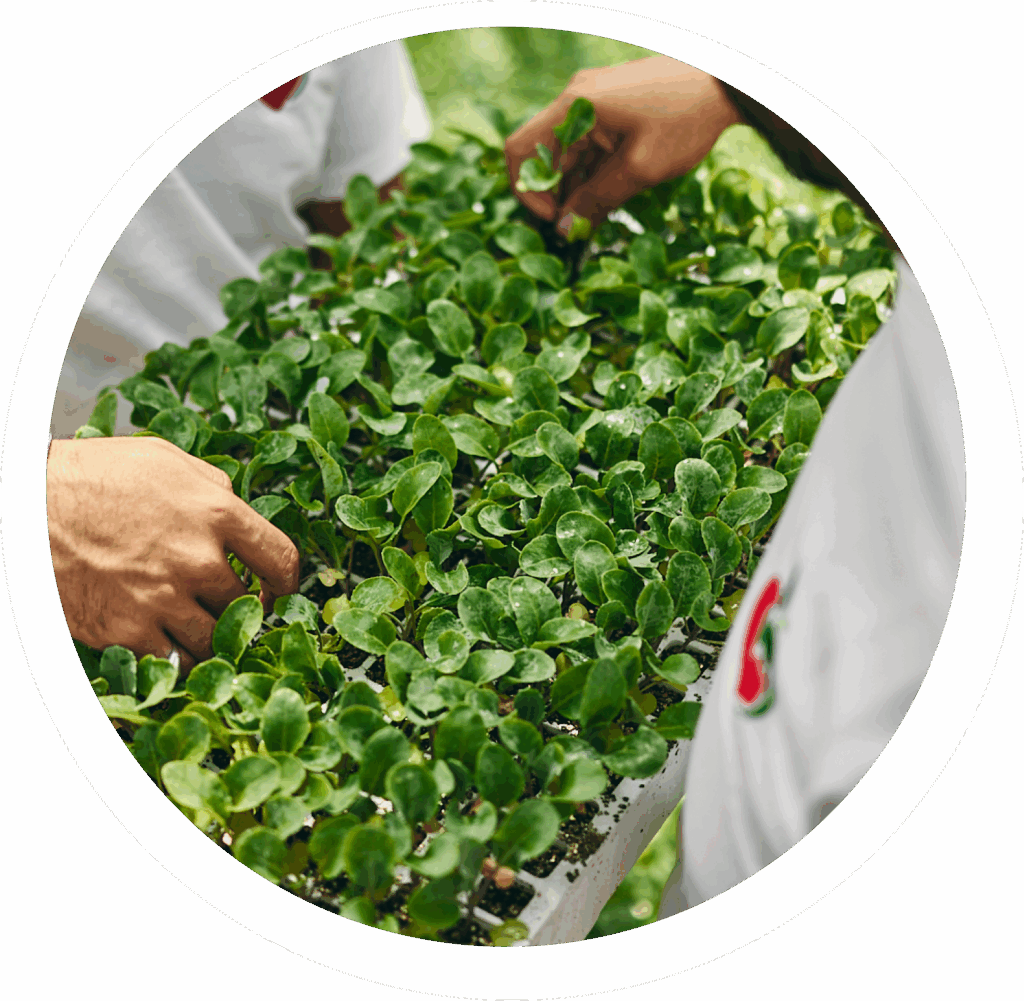
Would you like to include broad beans and peas in your crop rotation?
APOD supports its members with crop rotation planning, variety selection and sustainable soil fertility management, providing technical advice and agricultural services.
FAQ about broad beans and peas
When should broad beans and peas be sown?
In Southern Italy, broad beans and peas can be sown in autumn, from October to November. In areas with colder winters, sowing can be postponed until March to reduce the risk of frost damage.
How deep should peas be sown?
Peas are generally sown at a depth of around 3–5 cm, depending on soil type, moisture levels and weather conditions.
Why is it beneficial to sow broad beans and peas in autumn?
Autumn sowing makes it possible to take advantage of seasonal rainfall, reducing irrigation requirements during the early stages of crop development. Plants also have more time to establish during winter and enter spring already well developed, which can result in an earlier harvest.
How much nitrogen do broad beans and peas leave in the soil?
Under favourable conditions, once the residual biomass is incorporated into the soil, broad beans and peas can contribute up to 300 kg of nitrogen per hectare to the nitrogen balance.
Are broad beans and peas resistant to cold weather?
They are relatively tolerant of low temperatures, although cold tolerance varies depending on the species, variety and stage of plant development.
Can broad beans and peas be included in a crop rotation with wheat?
Yes. Alternating legumes and cereals is an effective way to diversify crop rotations, interrupt the cycles of certain pathogens and improve soil fertility management.
Do broad beans and peas need fertilisation?
Fertilisation should be determined according to soil characteristics and analysis. Where necessary, phosphorus and potassium can be applied, together with limited amounts of nitrogen during the early stages of crop development.