International Geodiversity Day, established by UNESCO, recognises the role of geological sciences in understanding and addressing the major environmental challenges of our time.
Geodiversity plays a fundamental role in agriculture: it provides the scientific foundation that makes agriculture itself possible, particularly organic farming certified under Regulation (EU) 2018/848.
Geodiversity: a balance that matters for agriculture
Geodiversity is the variety of rocks, minerals, soils, landforms and natural processes that shape the Earth’s surface. It encompasses geological, geomorphological, hydrological and soil-related features, as well as the processes that create and transform them over time.
It is a fundamental component of life: it influences the formation of ecosystems, affects climate and the water cycle, and determines soil fertility and composition.
It also provides essential resources for agriculture, including water, minerals and the physical structure of the soil.
This is why geodiversity is often described as the “silent partner of biodiversity”: geological and geomorphological characteristics support and often shape the development of life, influencing which plants and microorganisms can thrive in a given environment.
Geodiversity is not just a topic for geologists
The Global Risks Report 2025 highlights the growing importance of environmental risks, including extreme weather events, biodiversity loss, critical changes to Earth systems, natural resource shortages and pollution.
These threats are closely linked to soil quality, water availability and management, and the ability of ecosystems and landscapes to maintain their natural balance.
For agriculture, this can mean the difference between fertile, resilient soils and depleted, eroded land that is less capable of retaining water and organic matter.
In practice, these factors can make the difference between a manageable growing season and one severely affected by increasingly frequent extreme weather events.
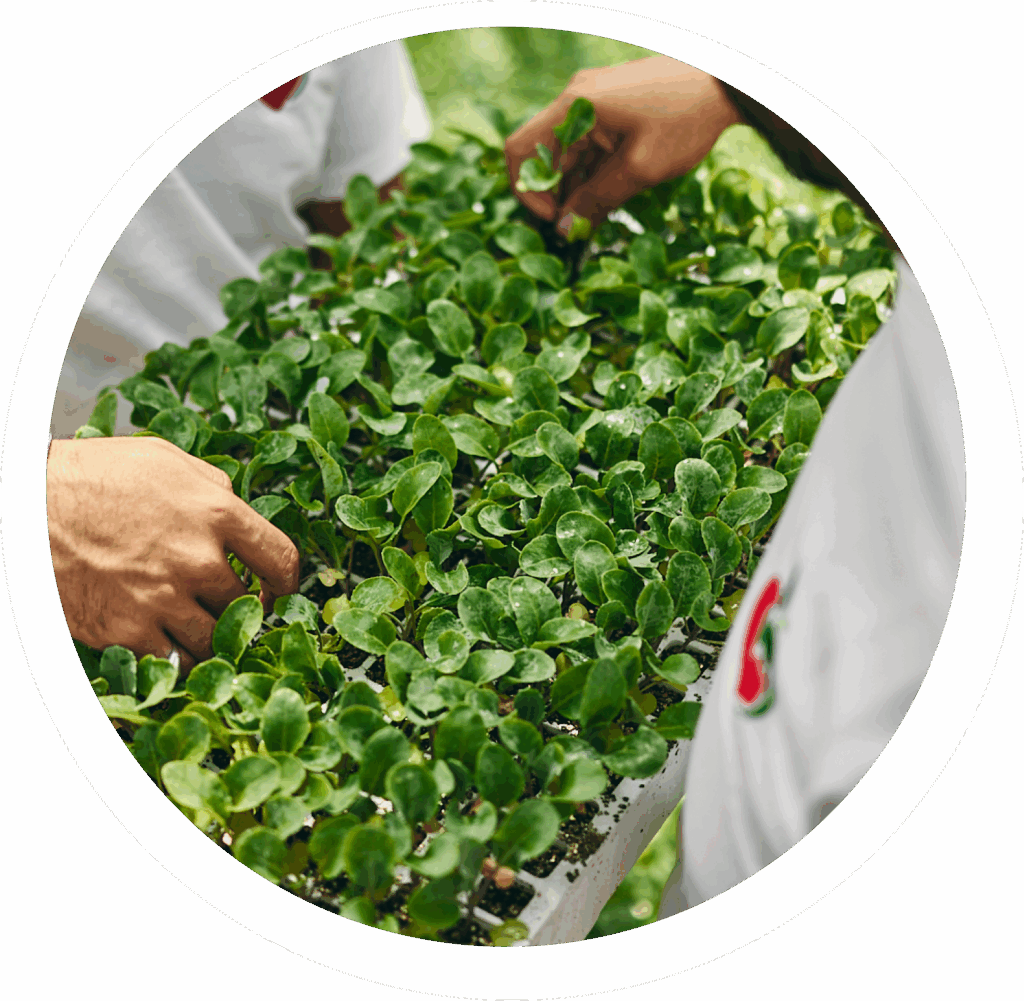
Would you like to join the APOD supply chain?
Discover how APOD works with its members and partners.
No geodiversity, no biodiversity: what Regulation (EU) 2018/848 says
Organic production combines best environmental practices with the conservation of natural resources, a high level of biodiversity and the application of high animal welfare standards.
Regulation (EU) 2018/848, which governs organic production, explicitly sets out objectives related to soil protection, biodiversity and green infrastructure.
These are the same areas that are fundamentally influenced by geodiversity.
Organic certification recognises soil — and all the factors that shape it — as a resource that cannot be renewed in the short term and must therefore be actively protected.
For this reason, organic farming promotes responsible agricultural practices that help keep soil healthy, biologically active and fertile, including crop rotation, reduced use of synthetic inputs, increased organic matter and the protection of microbial life.
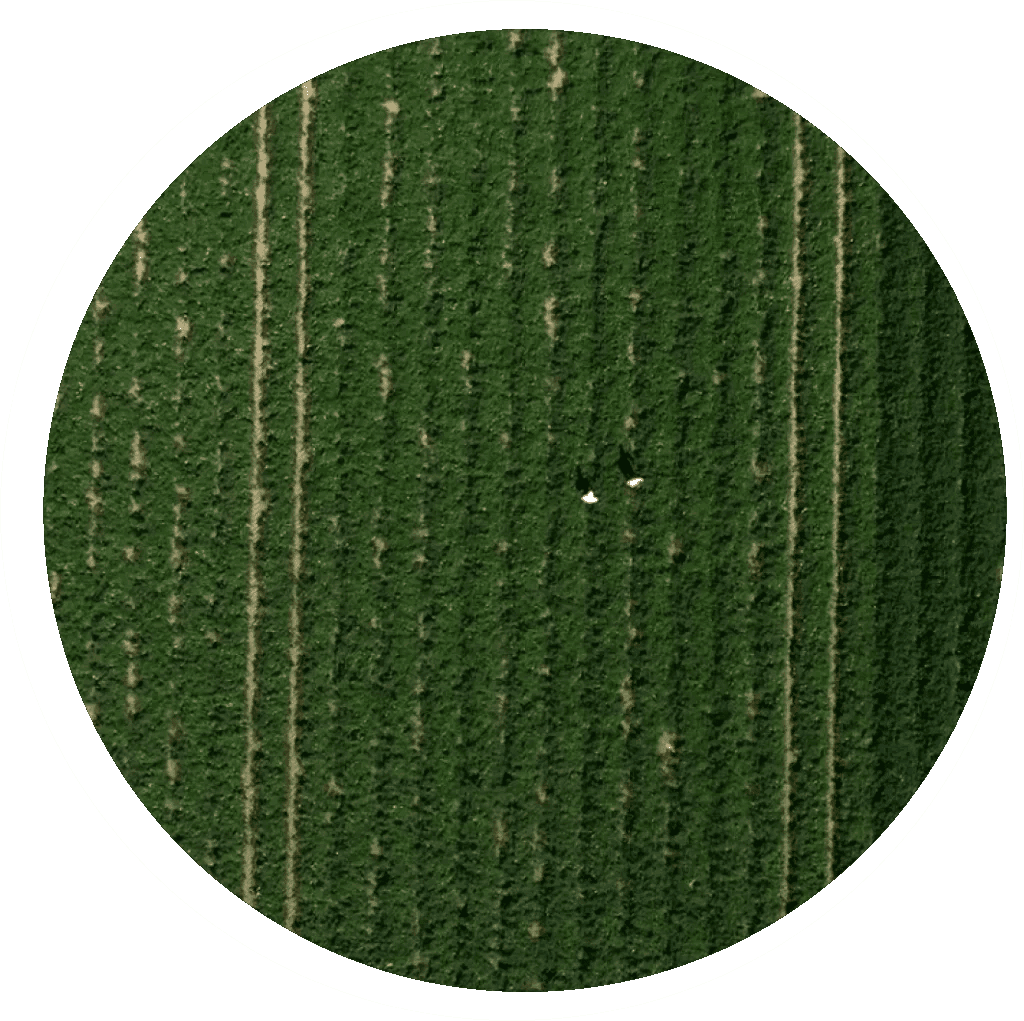
APOD strongly believes in adopting a sustainable agricultural model focused on protecting soil, biodiversity and quality throughout the entire supply chain.
This is why APOD is certified for organic production in accordance with Regulation (EU) 2018/848 and has undertaken additional environmental certification programmes.
Why geodiversity matters for the agri-food supply chain
Understanding the geology and soil characteristics of a given area is the first step towards selecting crops, soil management techniques and farming practices that are suited to the land’s natural characteristics.
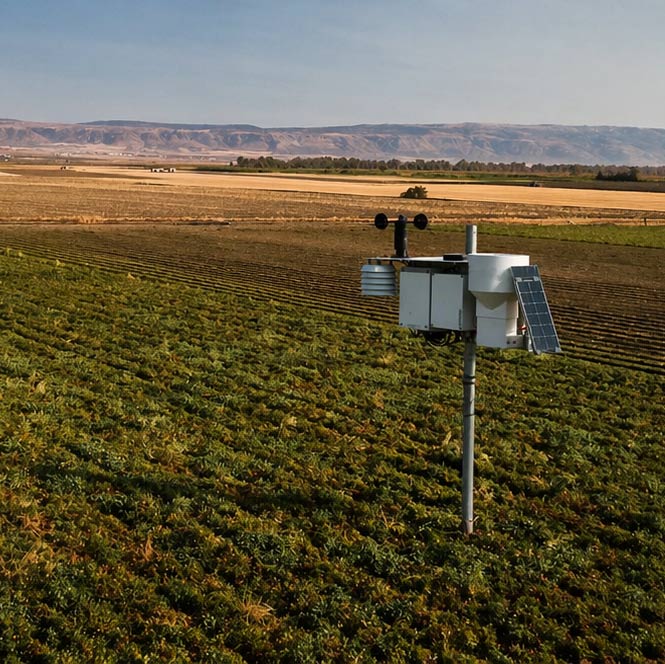
Geodiversity also provides fertile ground for innovation. Precision soil mapping and sensors for monitoring soil moisture and structure, calibrated according to the geomorphological characteristics of each farm, are all examples of precision agriculture technologies.
Frequently Asked Questions about Geodiversity
What is geodiversity?
Geodiversity is the variety of natural elements and processes associated with the non-living components of the Earth, which form the foundation on which ecosystems function.
Why is geodiversity important for agriculture?
Geodiversity helps determine key characteristics of agricultural soils, including their structure, composition, water availability and mineral content.
What is the relationship between geodiversity and biodiversity?
Geological, geomorphological and soil characteristics influence the formation of habitats and the conditions in which plants, animals and microorganisms can thrive.
What does organic farming legislation say about soil?
Regulation (EU) 2018/848 on organic production promotes the conservation of natural resources and environmental protection, including soil fertility, biodiversity and natural resources.
Which practices help protect soil in organic farming?
Crop rotation, maintaining soil organic matter and adopting farming techniques that support the soil’s biological balance all help preserve soil fertility.
Is APOD certified for organic production?
Yes. APOD is certified for organic production, a commitment that complements the other sustainability certification programmes adopted by the Producers’ Organisation.