Structured field technical assistance service, for personalized consultancy for optimized and sustainable agriculture.
Field technical assistance for agricultural enterprises
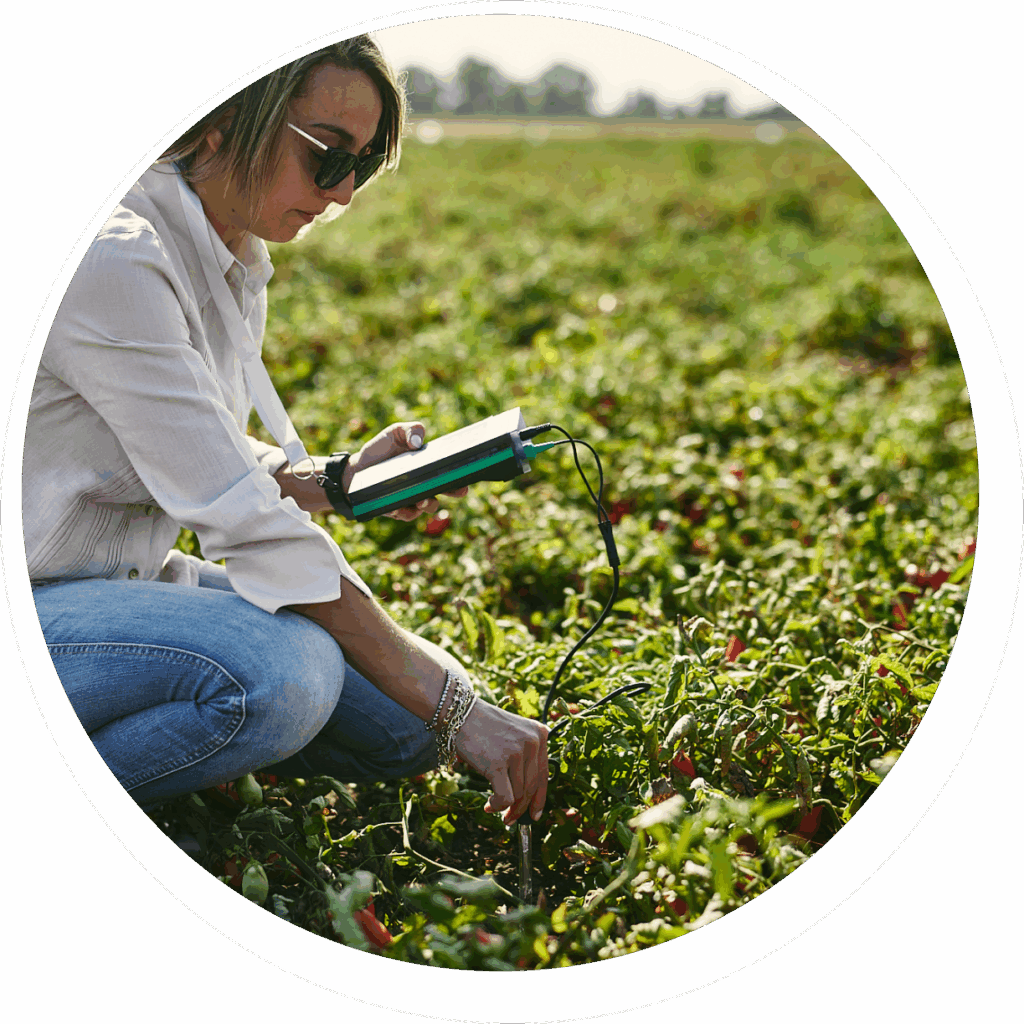
APOD offers a structured field technical assistance service, aimed at all members. A team of qualified and affiliated technicians follows agricultural enterprises throughout the entire production cycle, providing personalized consultancy on cultivation practices, plant health management, fertilization, and irrigation.
Technical support and agronomic consulting for more sustainable farming
Through regular field visits and ongoing communication with growers, we ensure compliance with production guidelines, enhance crop quality, and promote the adoption of sustainable and innovative farming practices.
This service is one of the cornerstones of OP APOD: a collaborative, trust-based relationship that combines technical expertise with deep knowledge of the local territory—growing together with a shared commitment to quality and sustainability.
Which crops does APOD deal with?
APOD cultivates a variety of vegetables and arable crops that reflect the richness and diversity of our territory. The main crops are tomato and fennel, flagship products of our supply chain and the core of agricultural production. Alongside these, we also cultivate asparagus, onion, wheat, cabbage, pea, and broad bean, following sustainable practices and innovative agronomic techniques. Each crop is managed with attention to quality, seasonality, and respect for the land, in order to offer genuine products and guarantee a transparent and responsible agricultural supply chain.
Do you also handle the transport of fruit and vegetable products?
Yes, we offer a complete service that also includes the transport of fruit and vegetable products, managing every phase of logistics up to delivery to the client food industry.
What other services does the cooperative offer?
Supply of nursery plant material, irrigation, and fertilizers: we provide nursery plant material, irrigation systems, fertilizers, and high-quality technical products, with the support of our experts for targeted and professional consulting.
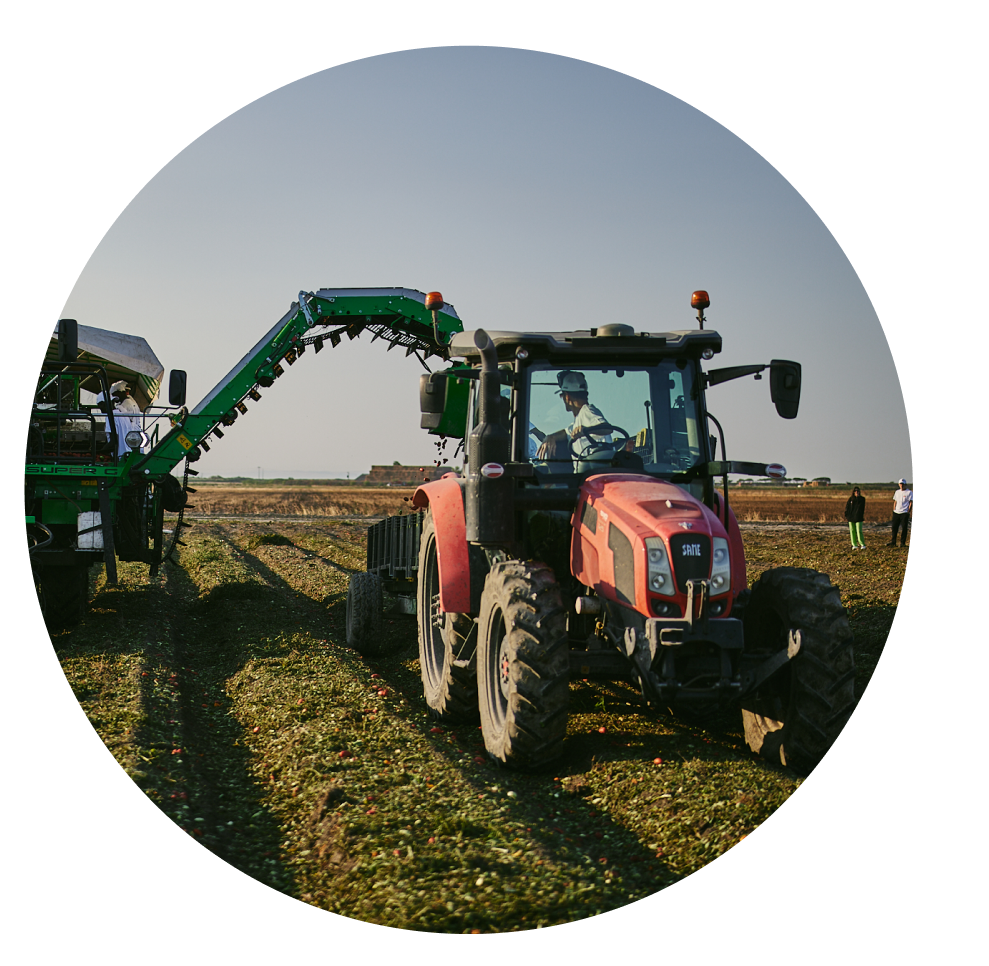
Shared supply of equipment: shared access to agricultural machinery and equipment for all production phases, optimizing costs and working times and promoting sustainable resource management.
Technical assistance in the field: direct field support and constant updates on best cultivation practices, sustainability, and product quality.
Logistics and sorting of the harvested product: we manage the collection, selection, and distribution of fruit and vegetable products harvested by members, ensuring an efficient logistics service and timely deliveries to customers.
Quality control: constant analyses and checks to ensure that each batch meets the highest standards of safety, genuineness, and compliance with the technical parameters required by the market.
How do you reduce environmental impact?
Through circular economy, rental of agricultural equipment, 4.0 technologies, purification and recycling of rainwater, material recycling, and sustainable agronomic practices.
What type of nursery plant material does APOD supply?
Selected and certified seedlings and seeds of tomatoes, fennel, asparagus, and wheat, coming from a reliable partner nursery integrated into the supply chain.
We offer irrigation systems, fertilizers, and technical products compliant with regulations and suitable for different crops.
Does the APOD laboratory control the entire supply chain?
Yes, the analyses support all phases: from the product in the field, to incoming batches, up to the final product ready for the market.
We guarantee food safety, regulatory compliance, high standards, and maximum reliability for agricultural enterprises, processors, and distributors.
For APOD, sustainability is not a goal to be achieved, but a continuous journey that starts from the land and involves every daily decision.
Circular economy
We recycle agricultural materials and reuse production waste as natural fertilizers, returning to the soil what nature gives us.
Renewable energy
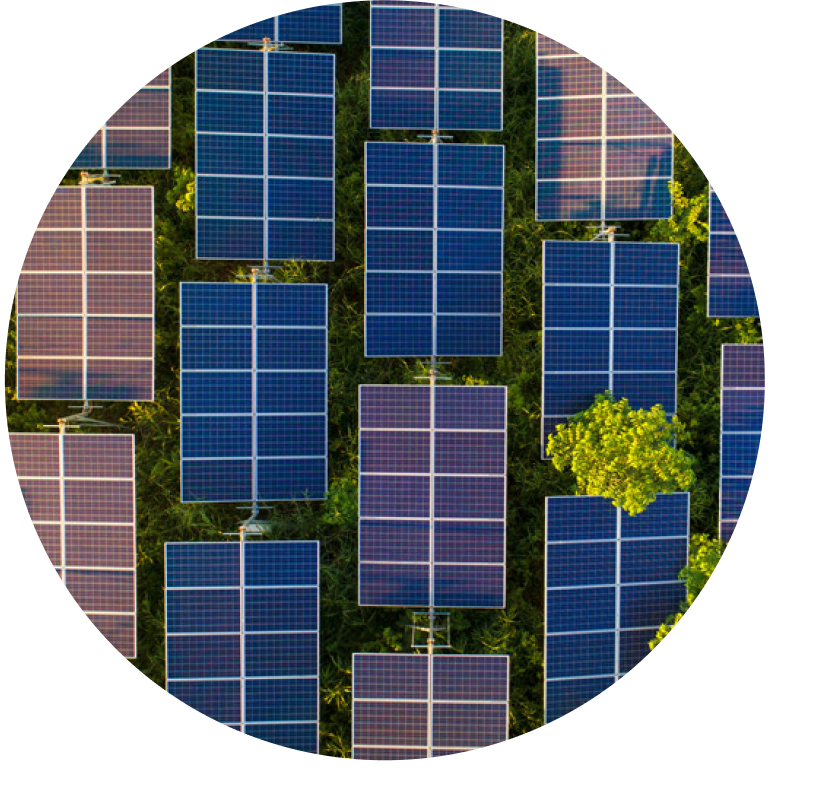
We produce energy through photovoltaic systems (100 kW/h) installed at the San Severo facility.
Rainwater use
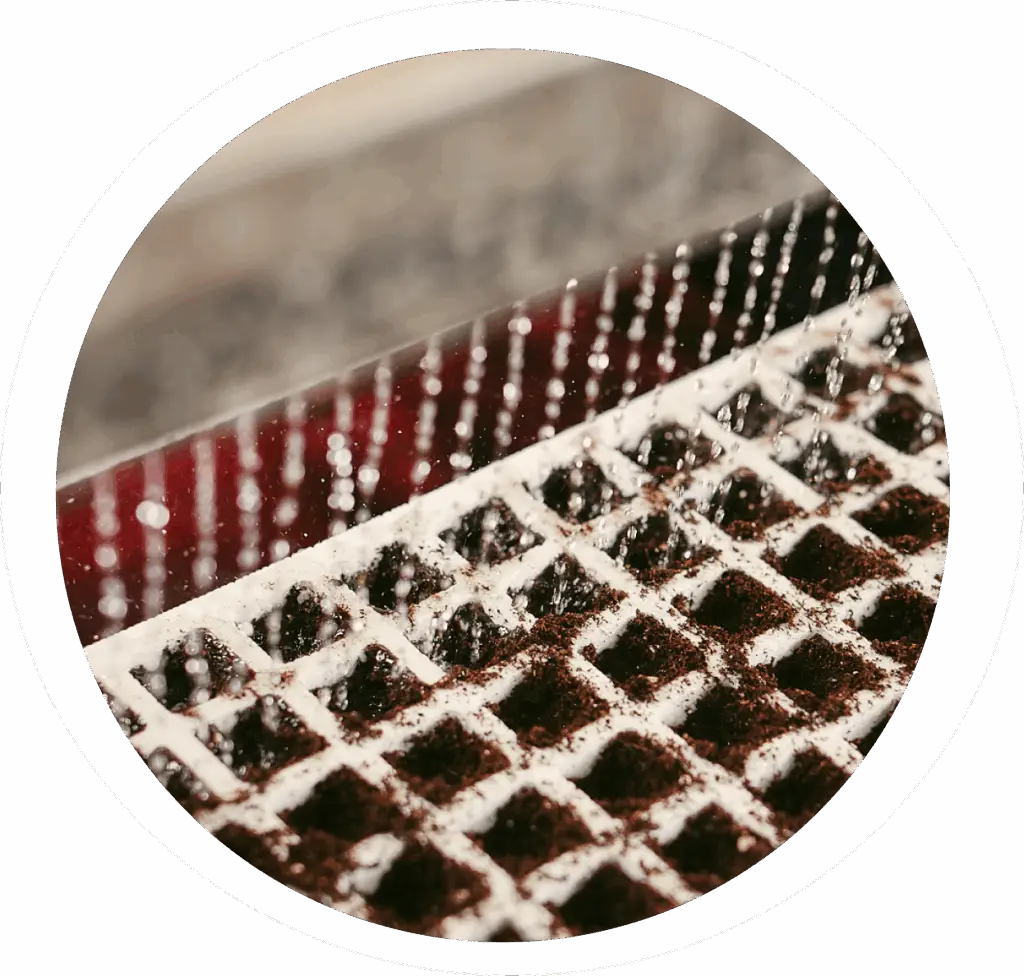
We use micro-irrigation systems, rainwater collection and recovery systems, and a purification plant.
Agriculture 4.0
We work every day to reduce the environmental impact of our activities and to build an agricultural model that respects the land and the people who cultivate it.